CONTEXT HUB
Space weather context for Schumann Resonance readings
Schumann charts become more useful when read with geomagnetic, ionospheric, lightning, and source-quality context. This page connects those drivers to the live panel.
Current live frequency helps anchor context before broader interpretation.
A cleaner signal makes chart comparisons more reliable than noisy frames.
Stability helps separate a brief disturbance from a durable pattern.
Why space weather belongs in Schumann analysis
Lightning distribution, ionospheric conditions, and geomagnetic context can all affect what a Schumann chart looks like. Reading the graph in isolation often leads to exaggerated conclusions.
Main drivers to compare
- Lightning and global thunderstorm activity
- Ionospheric conditions and source transmission quality
- Geomagnetic or solar context when the field looks more active
- Whether a bright area persists across multiple archive frames
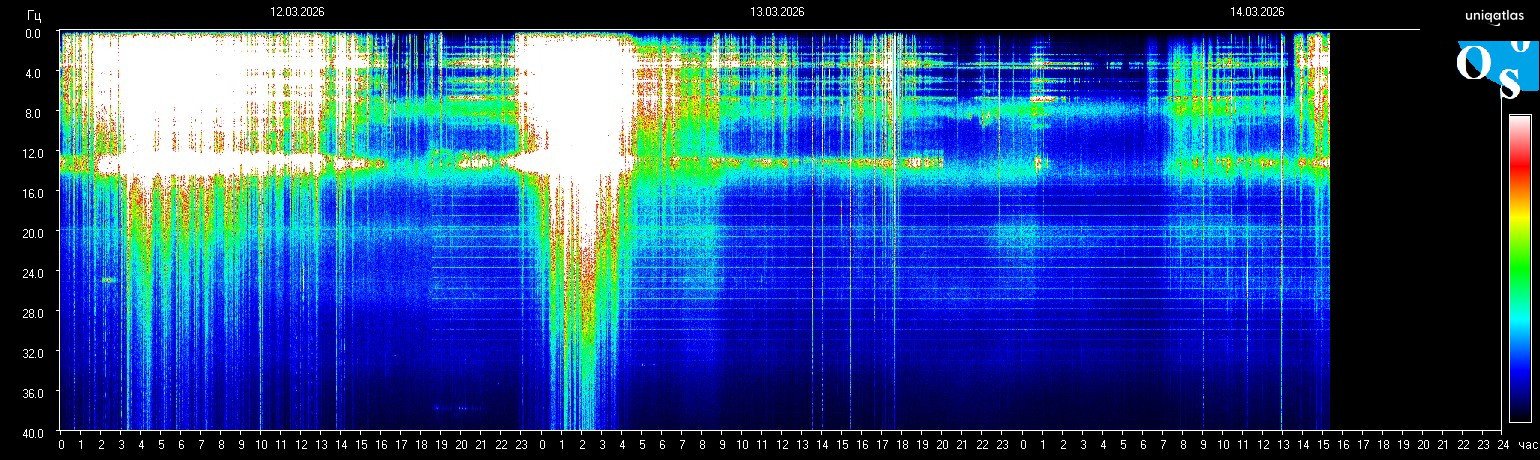
Best pages to pair with this context
Context FAQ
Does a bright Schumann chart always mean an extraordinary event?
No. Brightness can reflect stronger signal density, noise, transmission changes, lightning patterns, or other context. It should be checked against quality and time persistence.
Can geomagnetic or space weather conditions affect interpretation?
They can add useful context, especially when chart activity rises together with broader ionospheric or geomagnetic movement. They should inform interpretation, not replace it.
What is the safest way to read a spike?
Compare the live frame with recent archive frames, review signal quality, and avoid treating a single image as a full conclusion.