What Can Raise Schumann Resonance Charts? Storms, Noise, Compression, and Station Limits
Sprachhinweis
Diese Seite bleibt für Navigation und SEO auf Deutsch. Unten erscheint eine kurze lokale Zusammenfassung, während die vollständige redaktionelle Fassung in dieser Sprache weiter ausgebaut wird.
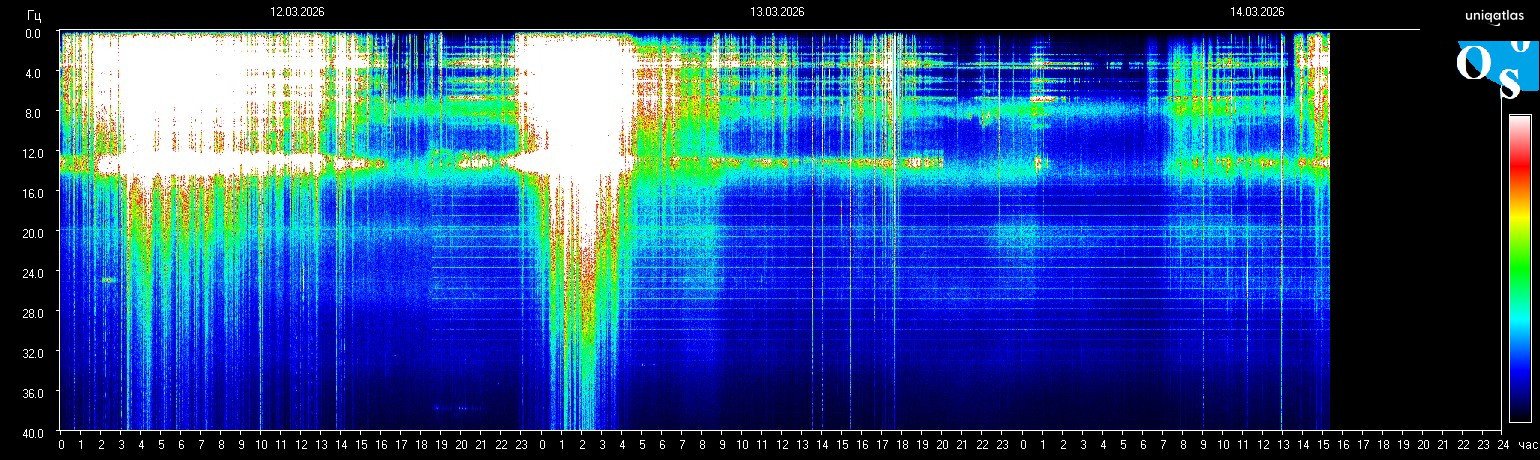
Readers often ask what can raise a Schumann chart because a bright panel looks like it should have one simple cause. In practice, there can be more than one driver. Some relate to the monitored environment, while others come from station behavior or image presentation.
Main categories to check
- Environmental pressure that appears across the monitored bands.
- Noise and interference that add irregular lines or local artifacts.
- Compression and display limits that make one section look more dramatic than it really is.
- Station-specific scaling that changes how intensity is visualized.
Why one cause is rarely enough
A chart can look stronger because several factors overlap. That is why the best reading avoids one-cause certainty and starts with “what combination of signal, noise, scale, and timing could explain this frame?”
Best next step
Use the live homepage for the freshest frame, compare it with the today context, and keep the methodology page open while interpreting unusually bright movement.
Stay inside the same topic cluster
Learn how to read charts, spikes, whiteouts, and spectrogram structure without mistaking noise for a real signal.
Öffnen Sie den neuesten Schumann-Frame auf der Startseite
Die Startseite aktualisiert sich rund um das neueste Spektrogramm, die aktuelle Frequenz und den schnellen Kontext. Öffnen Sie sie zuerst, wenn Sie vor dem Weiterlesen das frischeste Signal sehen möchten.
Live-Frequenz, neuester Frame und Kurzkontext an einem Ort.
Redaktioneller Hinweis
Schumann Resonance Live behandelt Schumann-Grafiken als Umweltdaten und nicht als medizinische Diagnose. Zu Quellenlimits und Korrekturen siehe Methodik und Redaktionelle Standards.