Schumann Resonance Today: How to Read the Fresh Frame Before You Share It
Sprachhinweis
Diese Seite bleibt für Navigation und SEO auf Deutsch. Unten erscheint eine kurze lokale Zusammenfassung, während die vollständige redaktionelle Fassung in dieser Sprache weiter ausgebaut wird.
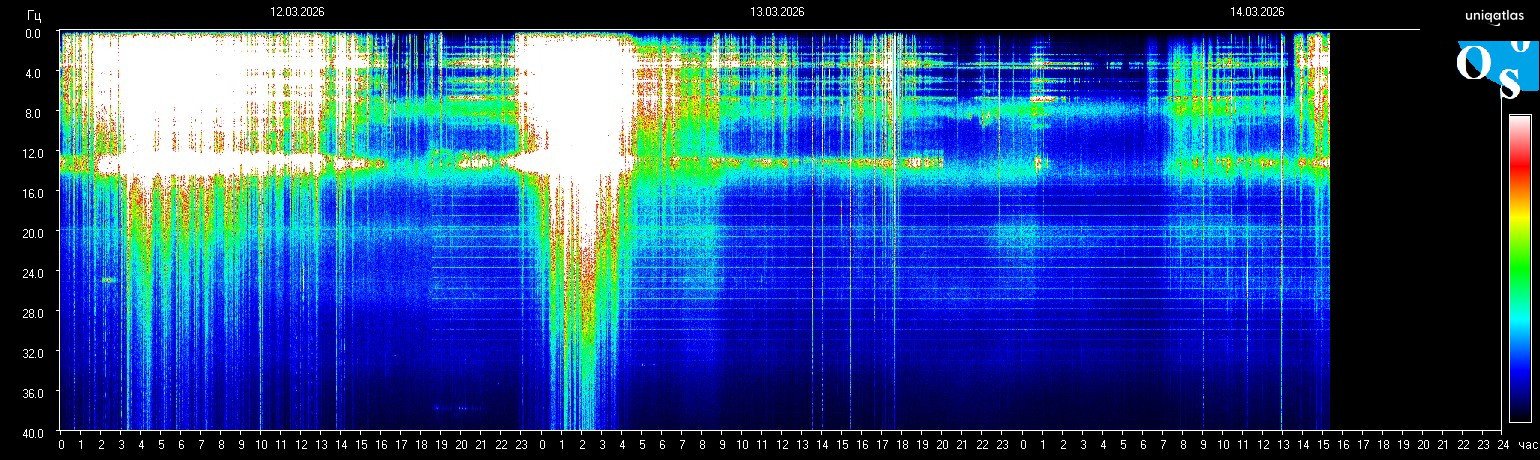
Schumann resonance today is one of the highest-intent searches because people want the newest possible frame, not a recycled screenshot. The first question should always be simple: is this the latest available capture, or an older panel being shared out of context?
Start with freshness
Before interpreting color or intensity, check whether the frame is current, slightly delayed, or clearly old. A chart that looks dramatic but is hours behind can distort the story readers think they are seeing.
Then read the structure
- Band position tells you where the visible energy sits.
- Color pressure shows whether the frame is calm, active, or saturated.
- Width of the bright zone helps separate brief spikes from wider sustained pressure.
Why the today view matters
A single frame can look intense for many reasons. The stronger reading comes from checking whether the same shape persists across the day. That is why the today page matters before you post one image as proof of a larger pattern.
Best next step
Open the live homepage, confirm the freshest frame, compare it with the today summary, and only then decide whether today looks calm, rising, compressed, or unusually bright.
Stay inside the same topic cluster
Learn how to read charts, spikes, whiteouts, and spectrogram structure without mistaking noise for a real signal.
Öffnen Sie den neuesten Schumann-Frame auf der Startseite
Die Startseite aktualisiert sich rund um das neueste Spektrogramm, die aktuelle Frequenz und den schnellen Kontext. Öffnen Sie sie zuerst, wenn Sie vor dem Weiterlesen das frischeste Signal sehen möchten.
Live-Frequenz, neuester Frame und Kurzkontext an einem Ort.
Redaktioneller Hinweis
Schumann Resonance Live behandelt Schumann-Grafiken als Umweltdaten und nicht als medizinische Diagnose. Zu Quellenlimits und Korrekturen siehe Methodik und Redaktionelle Standards.