Schumann Resonance Spike Meaning: How to Verify a Real Spike vs Chart Saturation
言語メモ
このページはナビゲーションと SEO のために 日本語 表示を維持します。現在この言語の完全な編集版を拡張中のため、下には簡潔なローカル要約を表示しています。
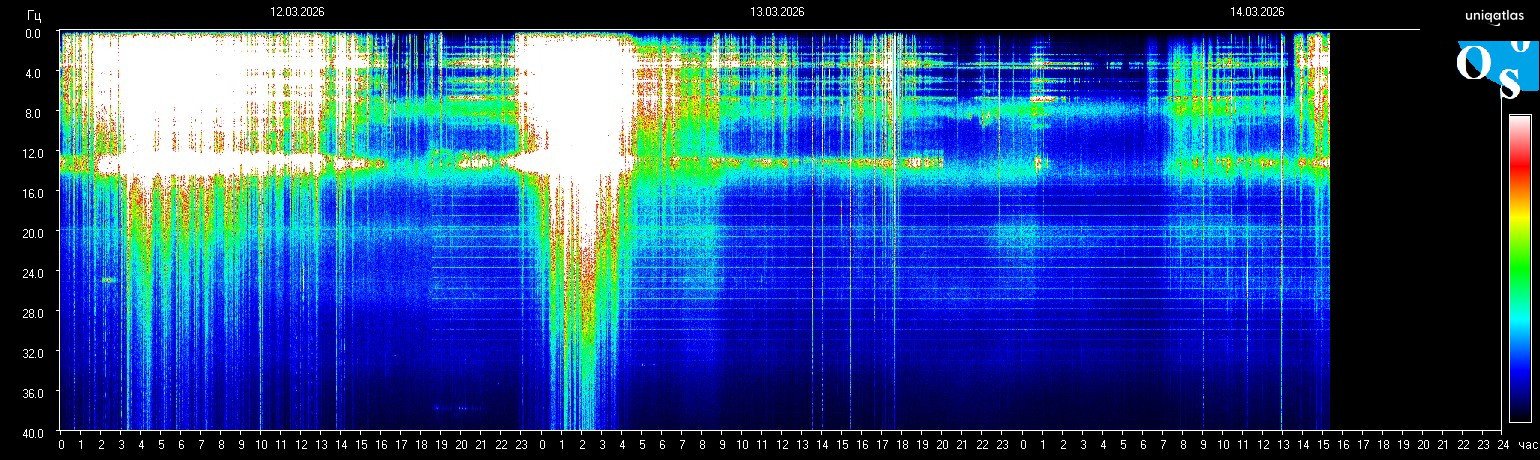
Searches for Schumann resonance spike meaning usually surge when readers see a bright white column or a sudden tall block. The safest first move is not excitement but verification: is this a stronger signal, or a display that reached the visible ceiling?
What a spike can mean
- A real rise in visible intensity inside the station’s range.
- A clipping or saturation zone where the display tops out.
- A noisy or compressed frame that exaggerates the look of one section.
How to verify it
- Check whether the spike is narrow and brief or wide and sustained.
- Compare the same time window on the today page.
- Look at surrounding bands, not only the brightest block.
- Use the methodology page before attaching a dramatic cause to one panel.
Why white needs caution
White is highly shareable because it looks decisive. But white can also mean you are staring at the top end of the palette. That is why a good reader treats white as a signal to verify more, not as permission to conclude faster.
Best next step
If the latest frame looks explosive, compare the screenshot on the live homepage with the broader daily context before calling it a confirmed spike event.
Stay inside the same topic cluster
Learn how to read charts, spikes, whiteouts, and spectrogram structure without mistaking noise for a real signal.
最新のシューマンフレームをホームで開く
ホームページでは最新スペクトログラム、現在の周波数、短い文脈が継続的に更新されます。続きを読む前に一番新しいシグナルを見たいなら、まずここを開いてください。
ライブ周波数、最新フレーム、短い文脈をまとめて確認できます。
編集メモ
Schumann Resonance Live はシューマンチャートを医療診断ではなく環境モニタリングデータとして扱います。情報源の限界や訂正方針については、方法論 と 編集基準 を確認してください。