Schumann Resonance Spike Meaning: How to Verify a Real Spike vs Chart Saturation
Note de langue
Cette page reste en Français pour la navigation et le SEO. Un résumé local concis est affiché ci-dessous pendant que la version éditoriale complète dans cette langue est encore en cours d’extension.
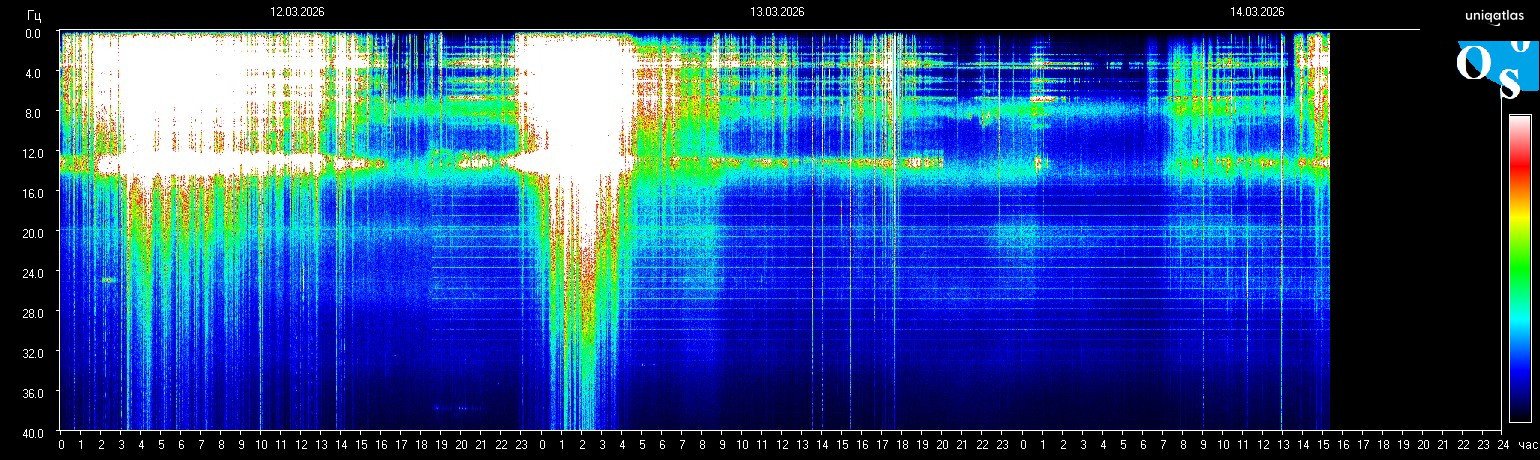
Searches for Schumann resonance spike meaning usually surge when readers see a bright white column or a sudden tall block. The safest first move is not excitement but verification: is this a stronger signal, or a display that reached the visible ceiling?
What a spike can mean
- A real rise in visible intensity inside the station’s range.
- A clipping or saturation zone where the display tops out.
- A noisy or compressed frame that exaggerates the look of one section.
How to verify it
- Check whether the spike is narrow and brief or wide and sustained.
- Compare the same time window on the today page.
- Look at surrounding bands, not only the brightest block.
- Use the methodology page before attaching a dramatic cause to one panel.
Why white needs caution
White is highly shareable because it looks decisive. But white can also mean you are staring at the top end of the palette. That is why a good reader treats white as a signal to verify more, not as permission to conclude faster.
Best next step
If the latest frame looks explosive, compare the screenshot on the live homepage with the broader daily context before calling it a confirmed spike event.
Stay inside the same topic cluster
Learn how to read charts, spikes, whiteouts, and spectrogram structure without mistaking noise for a real signal.
Ouvrez le dernier cadre Schumann sur la page d’accueil
La page d’accueil se met à jour autour du spectrogramme le plus récent, de la fréquence actuelle et du contexte rapide. Ouvrez-la d’abord si vous voulez le signal le plus frais avant de poursuivre.
Fréquence live, dernier cadre et contexte court au même endroit.
Note éditoriale
Schumann Resonance Live traite les graphiques Schumann comme des données de surveillance environnementale, et non comme un diagnostic médical. Pour les limites des sources et les corrections, consultez Méthodologie et Standards éditoriaux.