Schumann Resonance Spike Meaning: How to Verify a Real Spike vs Chart Saturation
ملاحظة اللغة
تبقى هذه الصفحة باللغة العربية لأغراض التصفح وSEO. ويظهر أدناه ملخص محلي موجز بينما يجري توسيع النسخة التحريرية الكاملة بهذه اللغة.
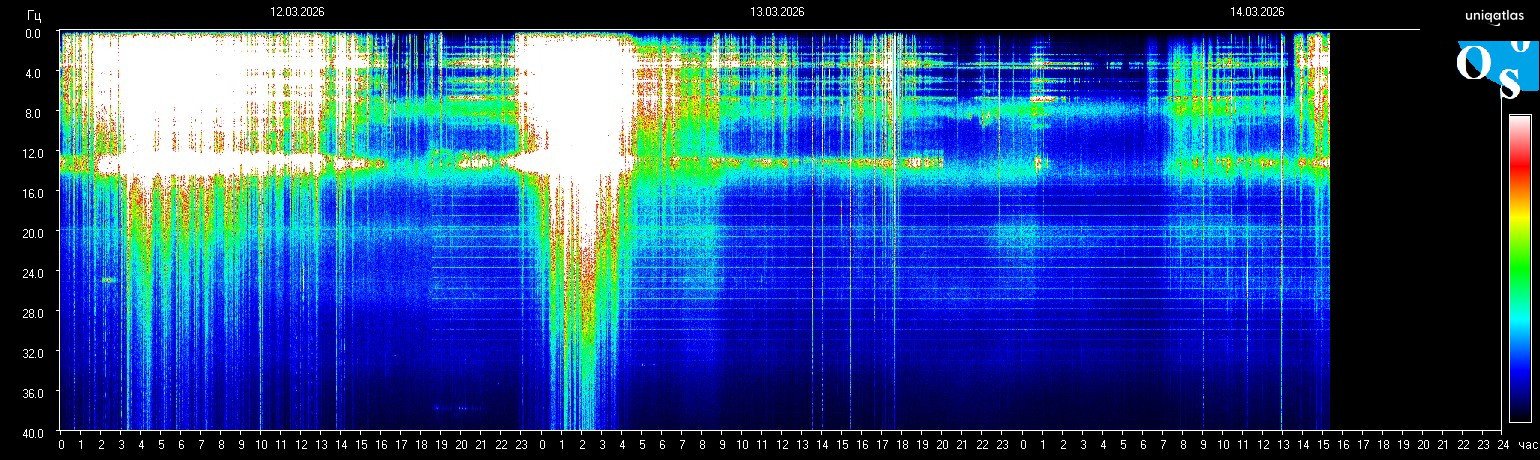
Searches for Schumann resonance spike meaning usually surge when readers see a bright white column or a sudden tall block. The safest first move is not excitement but verification: is this a stronger signal, or a display that reached the visible ceiling?
What a spike can mean
- A real rise in visible intensity inside the station’s range.
- A clipping or saturation zone where the display tops out.
- A noisy or compressed frame that exaggerates the look of one section.
How to verify it
- Check whether the spike is narrow and brief or wide and sustained.
- Compare the same time window on the today page.
- Look at surrounding bands, not only the brightest block.
- Use the methodology page before attaching a dramatic cause to one panel.
Why white needs caution
White is highly shareable because it looks decisive. But white can also mean you are staring at the top end of the palette. That is why a good reader treats white as a signal to verify more, not as permission to conclude faster.
Best next step
If the latest frame looks explosive, compare the screenshot on the live homepage with the broader daily context before calling it a confirmed spike event.
Stay inside the same topic cluster
Learn how to read charts, spikes, whiteouts, and spectrogram structure without mistaking noise for a real signal.
افتح أحدث لقطة لشومان من الصفحة الرئيسية
تتجدد الصفحة الرئيسية حول أحدث طيف وصورة تردد حالية وسياق سريع. افتحها أولًا إذا كنت تريد أحدث إشارة قبل متابعة القراءة.
التردد المباشر وآخر لقطة والسياق السريع في مكان واحد.
ملاحظة تحريرية
تتعامل Schumann Resonance Live مع مخططات شومان بوصفها بيانات رصد بيئي وليست تشخيصًا طبيًا. ولمعرفة حدود المصادر والتصحيحات راجع المنهجية والمعايير التحريرية.