Schumann Resonance 7.83 Hz Today: What Is Normal Drift and What Is Not?
言語メモ
このページはナビゲーションと SEO のために 日本語 表示を維持します。現在この言語の完全な編集版を拡張中のため、下には簡潔なローカル要約を表示しています。
The phrase Schumann resonance 7.83 Hz today often appears when readers want one clean answer from one number. But baseline frequency is rarely a story on its own. A better reading asks whether the movement is small drift, wider structure, or a change supported by the rest of the frame.
What normal drift can look like
Small movement around the base line is common. A change of a few hundredths or a modest decimal shift does not automatically mean a major event. It may simply reflect ordinary live variation inside the monitored environment.
What deserves closer attention
- A move that persists instead of disappearing quickly.
- Support from amplitude or brightness instead of one isolated number.
- Context from the full frame rather than one extracted reading.
Why the chart matters more than the number alone
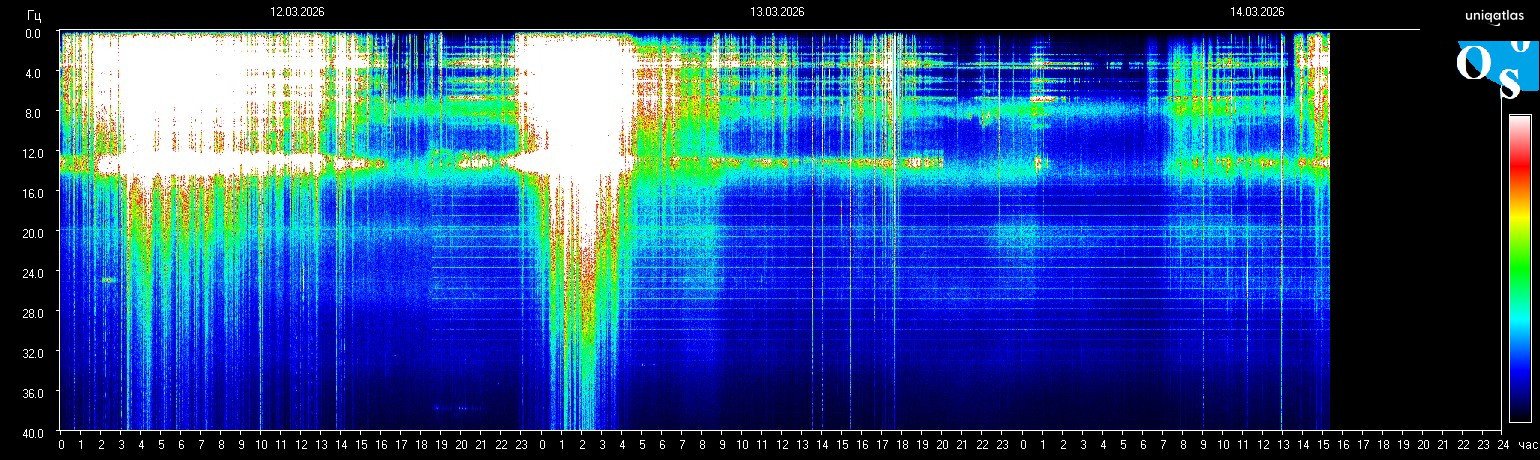
Readers often overreact to the base number because it looks simple. The chart matters because it shows whether that number sits inside a calm background, a broader rise, or a saturated block. Without the frame, the number is incomplete.
Best next step
Use the live home page for the newest frame, then compare the base-frequency reading with the today page before calling the drift unusual.
Stay inside the same topic cluster
Learn how to read charts, spikes, whiteouts, and spectrogram structure without mistaking noise for a real signal.
最新のシューマンフレームをホームで開く
ホームページでは最新スペクトログラム、現在の周波数、短い文脈が継続的に更新されます。続きを読む前に一番新しいシグナルを見たいなら、まずここを開いてください。
ライブ周波数、最新フレーム、短い文脈をまとめて確認できます。
編集メモ
Schumann Resonance Live はシューマンチャートを医療診断ではなく環境モニタリングデータとして扱います。情報源の限界や訂正方針については、方法論 と 編集基準 を確認してください。