Schumann Resonance 7.83 Hz Today: What Is Normal Drift and What Is Not?
Note de langue
Cette page reste en Français pour la navigation et le SEO. Un résumé local concis est affiché ci-dessous pendant que la version éditoriale complète dans cette langue est encore en cours d’extension.
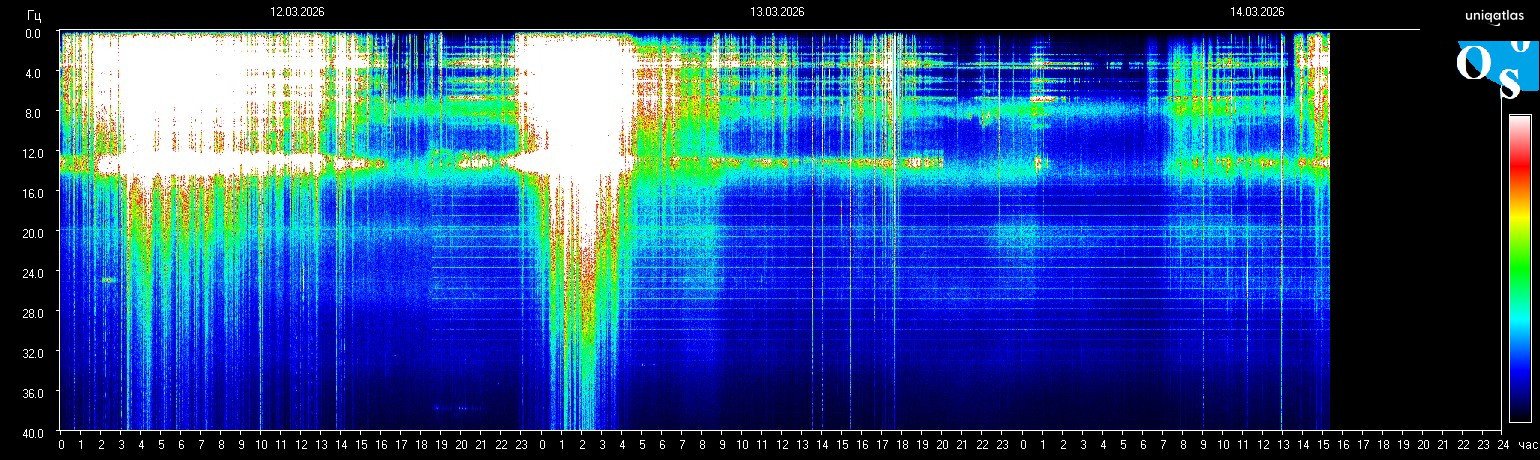
The phrase Schumann resonance 7.83 Hz today often appears when readers want one clean answer from one number. But baseline frequency is rarely a story on its own. A better reading asks whether the movement is small drift, wider structure, or a change supported by the rest of the frame.
What normal drift can look like
Small movement around the base line is common. A change of a few hundredths or a modest decimal shift does not automatically mean a major event. It may simply reflect ordinary live variation inside the monitored environment.
What deserves closer attention
- A move that persists instead of disappearing quickly.
- Support from amplitude or brightness instead of one isolated number.
- Context from the full frame rather than one extracted reading.
Why the chart matters more than the number alone
Readers often overreact to the base number because it looks simple. The chart matters because it shows whether that number sits inside a calm background, a broader rise, or a saturated block. Without the frame, the number is incomplete.
Best next step
Use the live home page for the newest frame, then compare the base-frequency reading with the today page before calling the drift unusual.
Stay inside the same topic cluster
Learn how to read charts, spikes, whiteouts, and spectrogram structure without mistaking noise for a real signal.
Ouvrez le dernier cadre Schumann sur la page d’accueil
La page d’accueil se met à jour autour du spectrogramme le plus récent, de la fréquence actuelle et du contexte rapide. Ouvrez-la d’abord si vous voulez le signal le plus frais avant de poursuivre.
Fréquence live, dernier cadre et contexte court au même endroit.
Note éditoriale
Schumann Resonance Live traite les graphiques Schumann comme des données de surveillance environnementale, et non comme un diagnostic médical. Pour les limites des sources et les corrections, consultez Méthodologie et Standards éditoriaux.