Schumann Resonance Today: How to Read the Fresh Frame Before You Share It
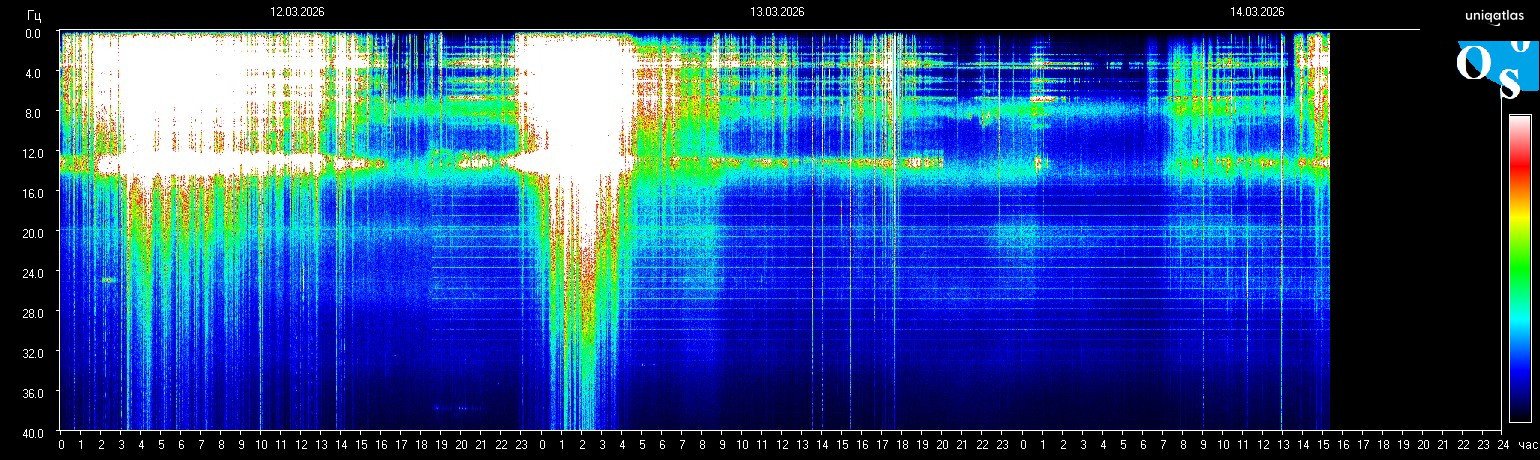
Nota sulla lingua
Questa pagina resta in Italiano per navigazione e SEO. Qui sotto mostriamo un breve riepilogo locale mentre la versione editoriale completa in questa lingua viene ancora ampliata.
Schumann resonance today is one of the highest-intent searches because people want the newest possible frame, not a recycled screenshot. The first question should always be simple: is this the latest available capture, or an older panel being shared out of context?
Start with freshness
Before interpreting color or intensity, check whether the frame is current, slightly delayed, or clearly old. A chart that looks dramatic but is hours behind can distort the story readers think they are seeing.
Then read the structure
- Band position tells you where the visible energy sits.
- Color pressure shows whether the frame is calm, active, or saturated.
- Width of the bright zone helps separate brief spikes from wider sustained pressure.
Why the today view matters
A single frame can look intense for many reasons. The stronger reading comes from checking whether the same shape persists across the day. That is why the today page matters before you post one image as proof of a larger pattern.
Best next step
Open the live homepage, confirm the freshest frame, compare it with the today summary, and only then decide whether today looks calm, rising, compressed, or unusually bright.
Stay inside the same topic cluster
Learn how to read charts, spikes, whiteouts, and spectrogram structure without mistaking noise for a real signal.
Apri in home il frame Schumann più recente
La home si aggiorna attorno allo spettrogramma più recente, alla frequenza attuale e al contesto rapido. Aprila prima se vuoi vedere il segnale più fresco prima di continuare a leggere.
Frequenza live, ultimo frame e contesto breve insieme.
Nota editoriale
Schumann Resonance Live considera i grafici Schumann come dati di monitoraggio ambientale, non come diagnosi medica. Per limiti delle fonti e correzioni, consulta Metodologia e Standard editoriali.